
How To Clean Piano Keys

How to Clean Piano Keys: A Step-by-Step Guide
Maintaining your piano is essential for both its longevity and the quality of sound it produces. One of the most frequently touched parts are the piano keys which can accumulate dirt, grime and oils from fingers over time. Here's a comprehensive guide to help you clean those keys effectively and safely.
Materials Needed:
- A soft, lint-free cloth (preferably microfiber).
- Cory Key-Brite or mild dish soap
- Clean, lukewarm water.
- A soft, dry cloth for buffing.
Step 1: Gather Your Materials; Start by assembling all the necessary materials. Make sure the cloths you use are clean and free from any hard particles that could scratch the keys.
Step 2: Prepare Your Cleaning Solution; Our preference is to use Cory Key-Brite. This can be purchased online and is the product we use when cleaning piano keys. If you don't have Cory Key-Brite, mix a few drops of dish soap with lukewarm water.
Step 3: Open the Fallboard (key cover) and Examine the Keys; Gently lift the fallboard to access the keys. Start by inspecting them, noting any specific areas that may need more attention due to stains or discoloration.
Step 4: Cleaning the Keys; Spray enough Cory Key-Brite onto your cloth until a small section of the cloth is damp. Do this away from the piano making sure none of the spray lands on the piano. If using the water/dish soap solution, dip a soft cloth in the cleaning solution and wring it out thoroughly so it is damp, not wet. Excess moisture can harm the keys, particularly ivory keys.
- For white keys: Gently wipe each key from the back to the front, never side to side to avoid moisture seeping between the keys.
- For black keys: Use the same method, changing to a different section of the cloth as needed to avoid spreading grime back onto the keys.
Step 5: Dry and Buff the Keys; After cleaning, take a soft, dry cloth and buff the keys to remove any moisture, helping to restore their shine. Ensure all traces of the cleaning solution are removed to prevent any seepage.
Step 6: Regular Maintenance; To keep your keys looking pristine, perform light cleanings monthly or as needed. Regular cleaning prevents the build-up of oils and dirt, maintaining the aesthetic and functional quality of your piano.
Stay up to date with our latest posts

Do I need a standard tuning or a pitch raise tuning? Why is a pitch raise tuning more expensive?

Does my piano get better with age? Like a Stradivarius violin?
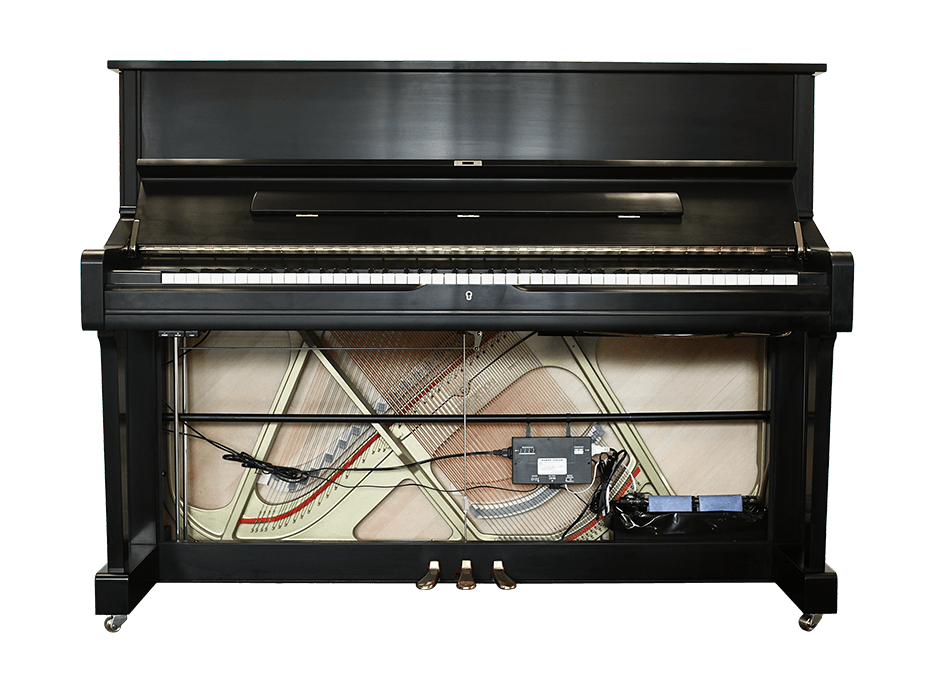
What is a Humidity Control System? Do I Need One?
Keep Your Piano Sounding Beautiful
Our expert technicians provide top-quality piano servicing to maintain its optimal performance.
